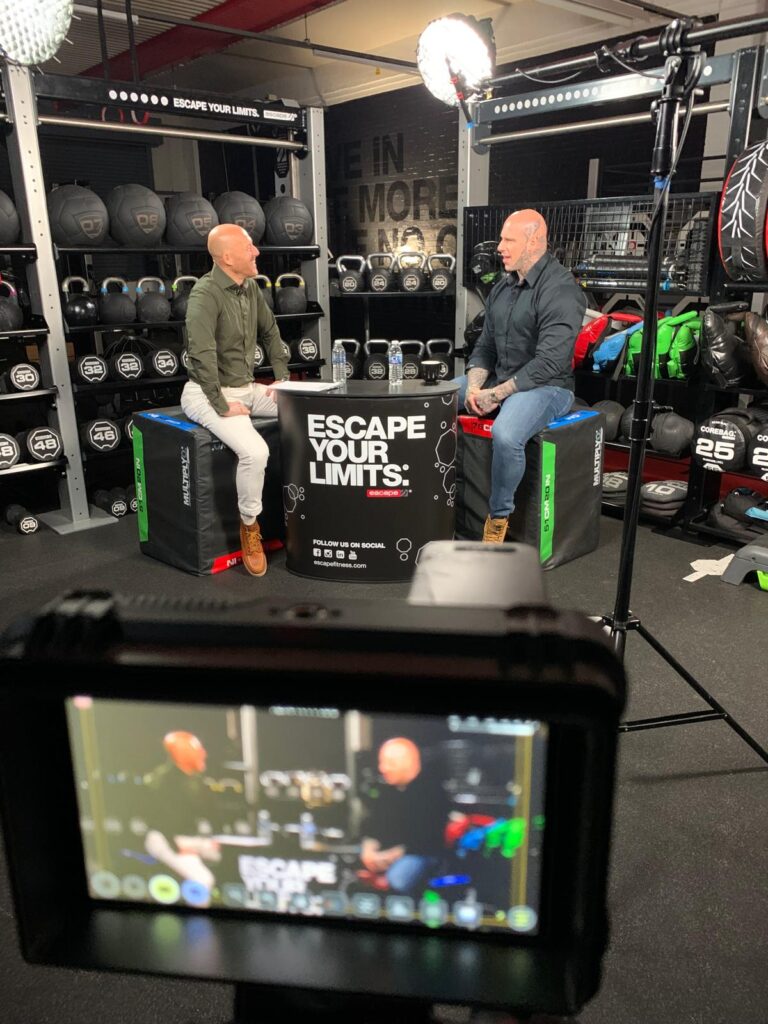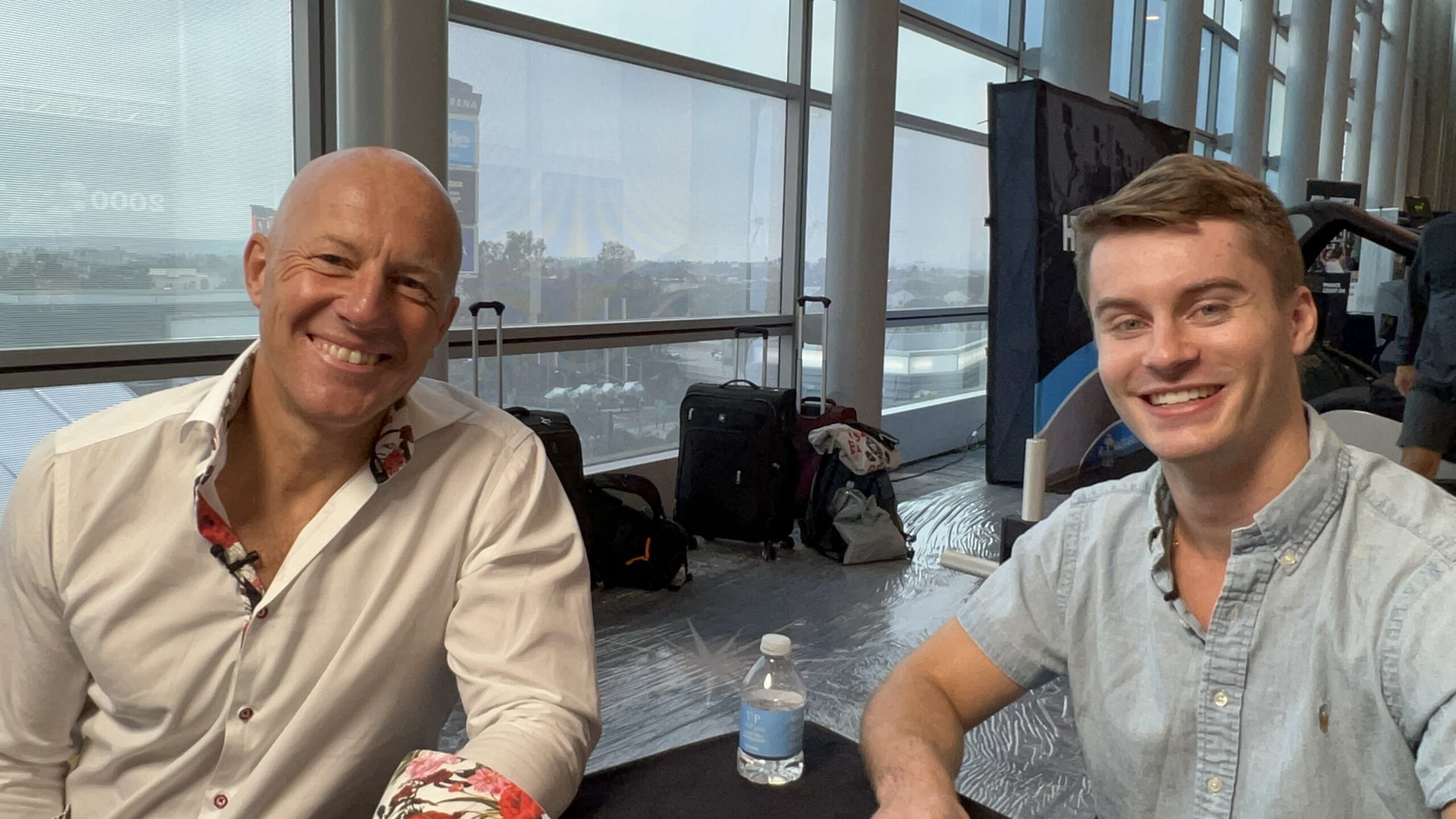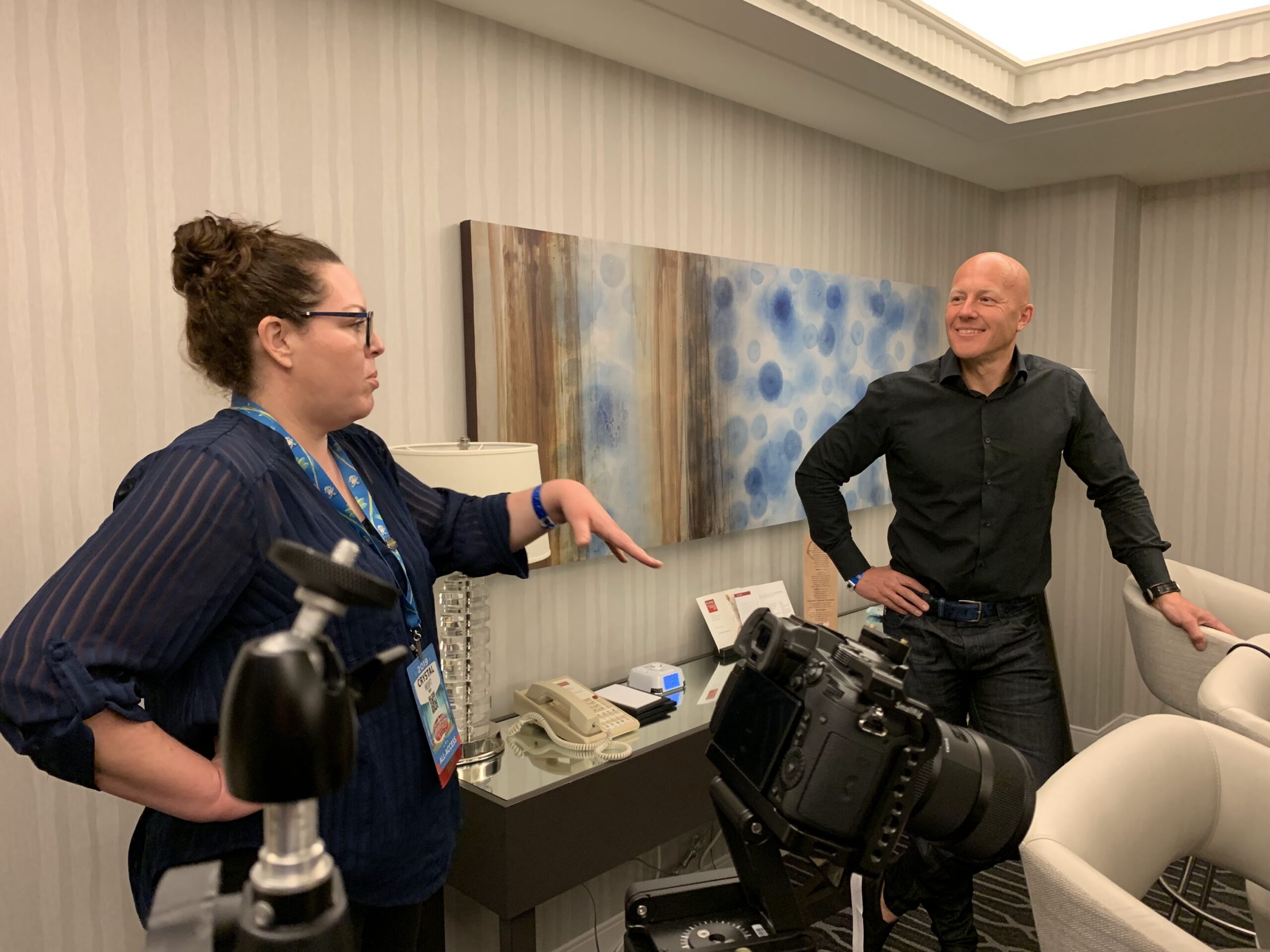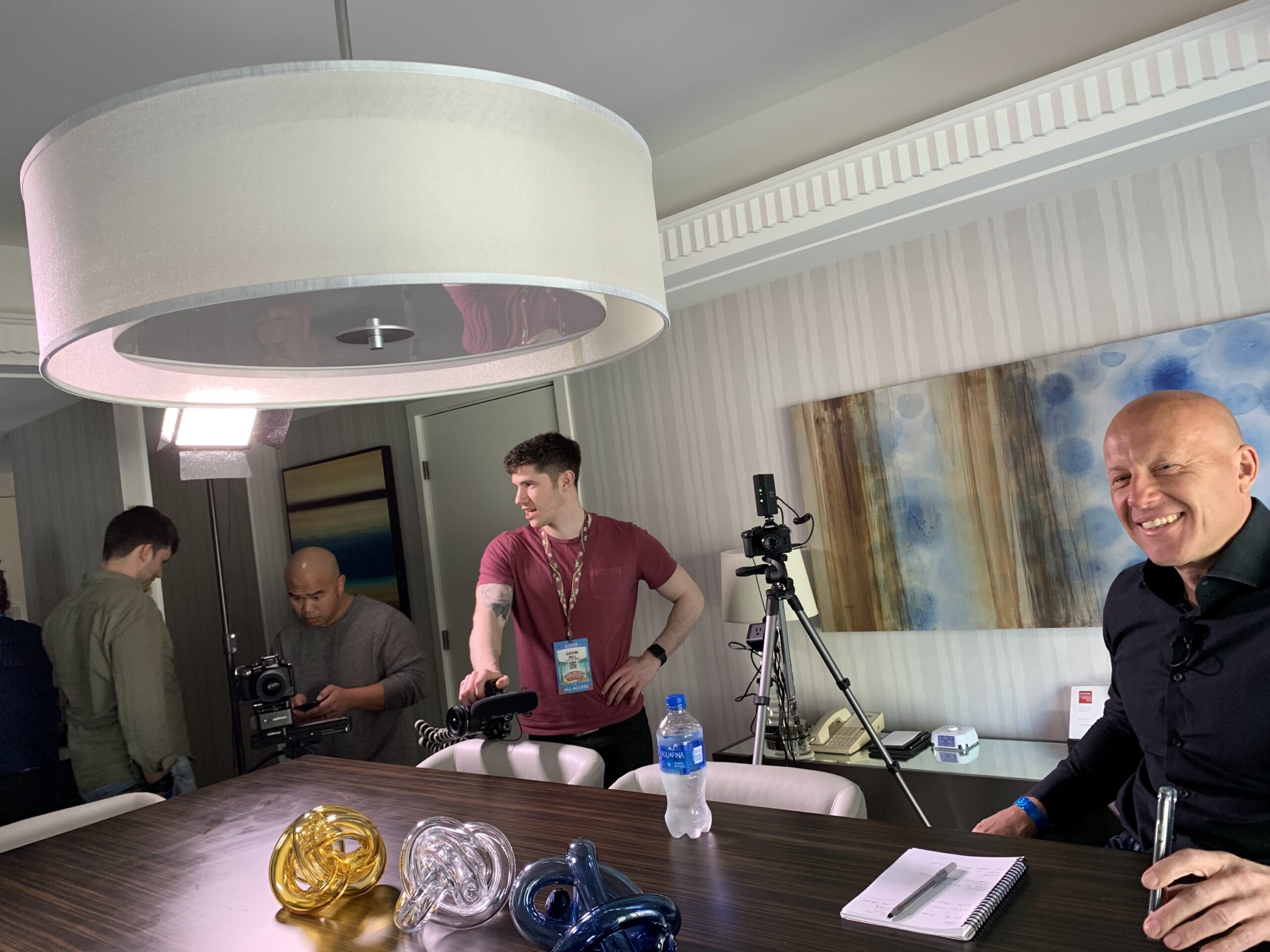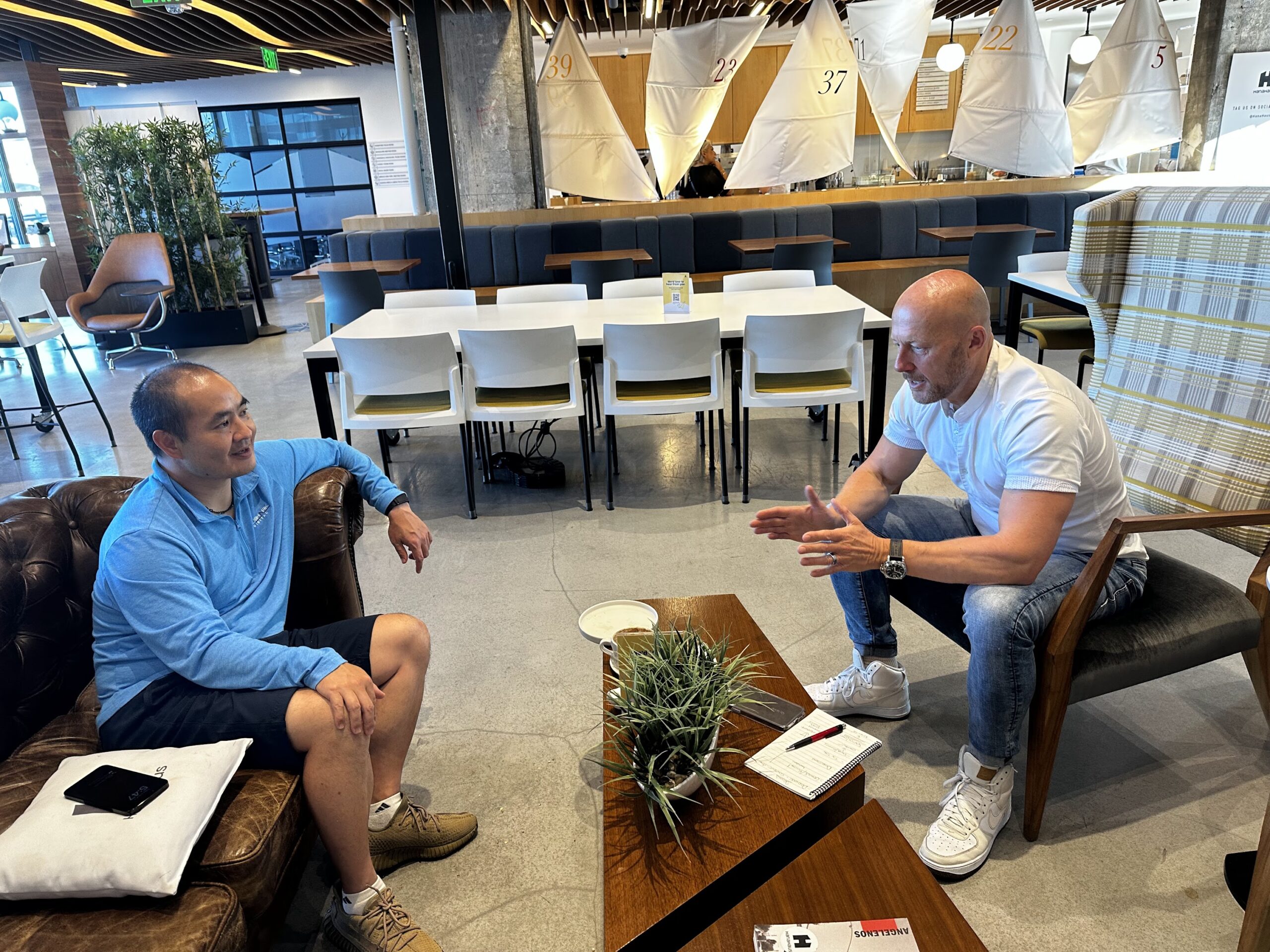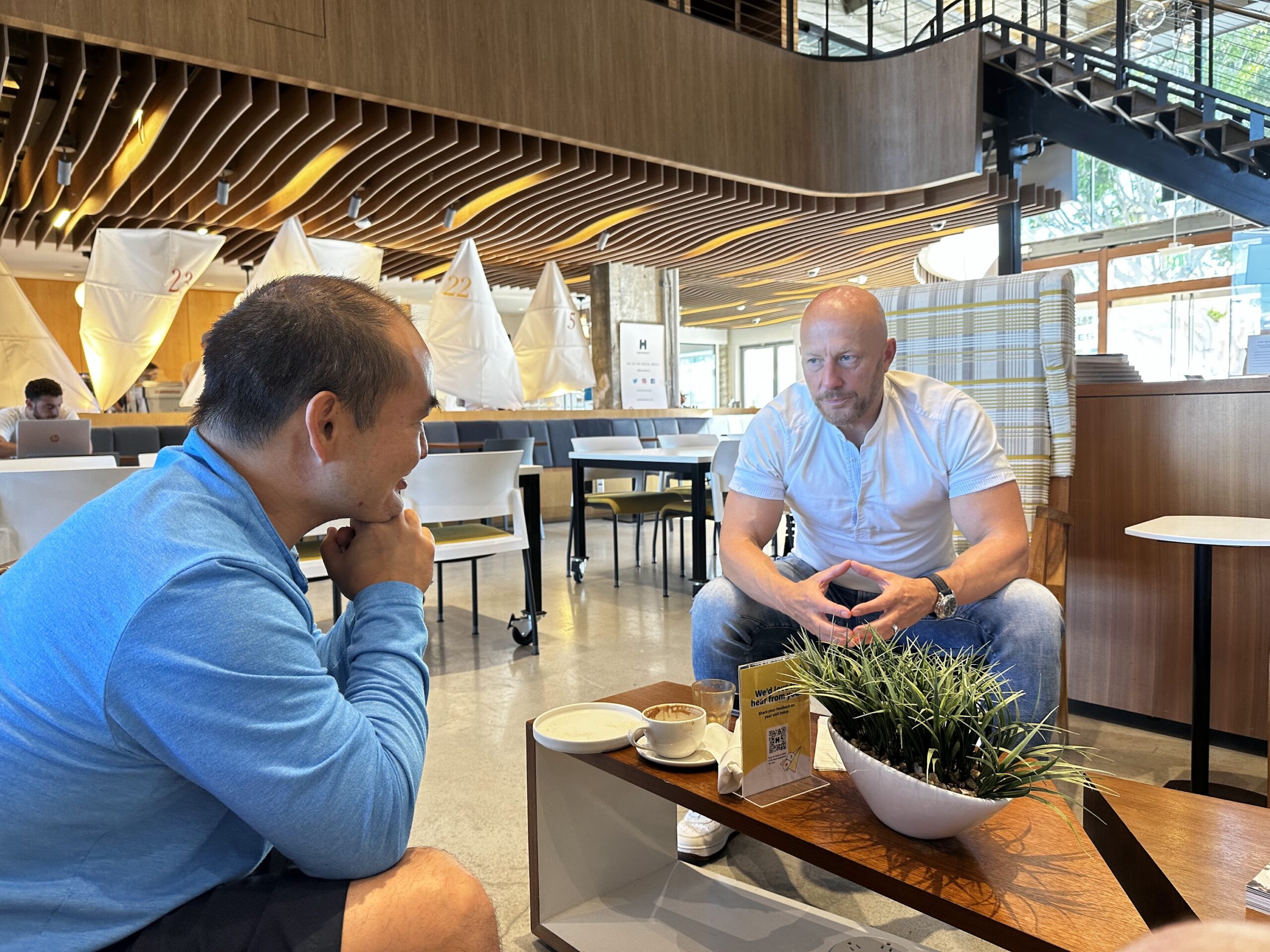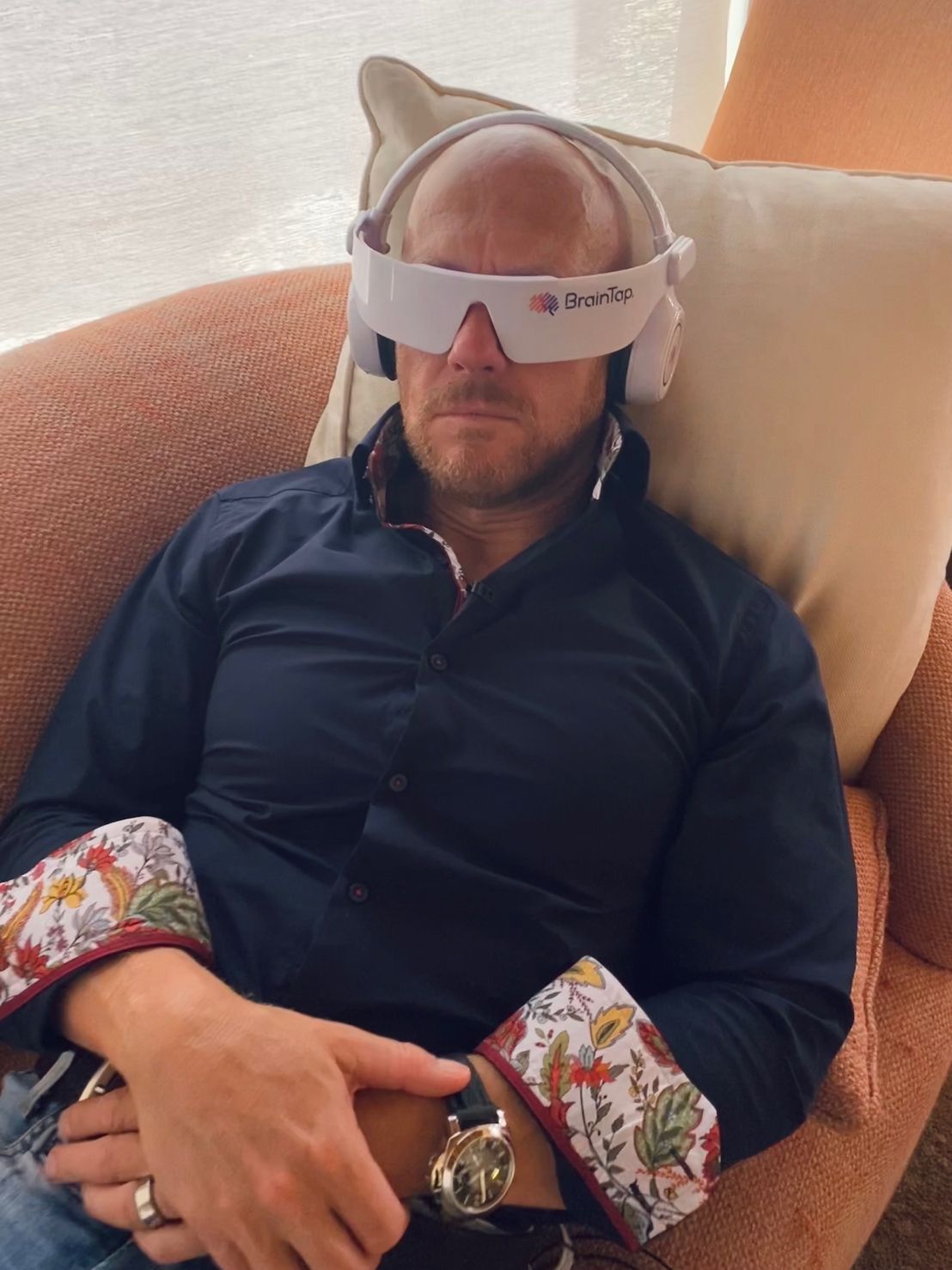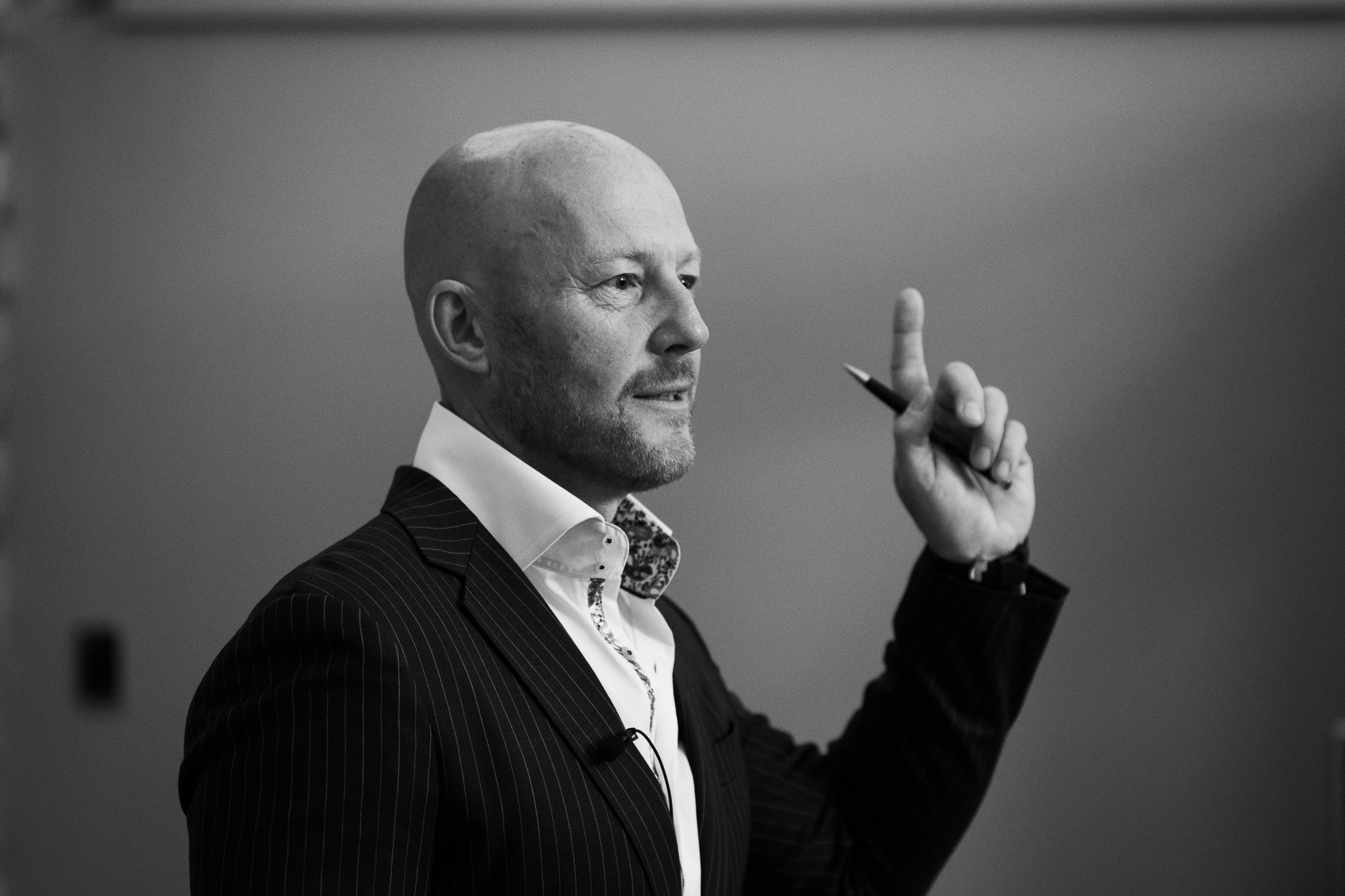
Recorded live at IHRSA 2024 in Los Angeles, this episode of LIFTS brings Matthew Januszek, co-founder of Escape Fitness and partner in Escape Fitness USA, into conversation with Ian O'Dwyer, co-founder of Feel SOMA, and Richard Boyd, Director of Global Wellness Designs. The subject is recovery — not as a wellness trend to be chased, but as a structural element of fitness that the industry has repeatedly failed to define, let alone deliver at scale.
Over the course of the conversation, O'Dwyer and Boyd walk through the science and the commercial reality of recovery: how stress and inflammation actually interact with the body's fluid systems, why cold therapy and cryotherapy deserve more scrutiny than they typically receive, and how gym operators can build recovery into their spaces in ways that are both effective and financially sustainable.
What This Episode Covers
Ian O'Dwyer, co-founder of Feel SOMA, and Richard Boyd, Director of Global Wellness Designs, approach recovery from complementary angles — O'Dwyer from the integration of movement science and somatic practice, Boyd from the design of physical wellness environments. Together they make the case that the fitness industry's current conversation about recovery is often too narrow, focused on cold plunges and compression boots while missing the deeper physiology underneath.
The episode introduces the concept of eustress — beneficial stress that builds resilience rather than depleting it — as a corrective to the prevailing narrative that recovery is simply the absence of training load. The discussion of fascial mobility and the importance of training fascia in multiple directions represents a more sophisticated view of how connective tissue health underpins athletic performance and everyday function.
Richard Boyd's contribution extends to the design side: how operators can integrate recovery zones into fitness facilities without sacrificing revenue per square foot, and how digital interfaces can help members understand and engage with recovery protocols in the same way they track training metrics.
Key Moments from the Conversation
- Structuring recovery as a core element of fitness programming — rather than an optional add-on — requires operators to rethink floor plans, staff training, and how they communicate value to members.
- Stress, inflammation, and lymphatic fluid flow are interconnected systems that affect how quickly the body adapts to training load; recovery protocols that ignore any one of these systems are likely to underdeliver.
- Eustress — the beneficial form of physiological stress — can actively build resilience when properly dosed, which means not all stress is something to be managed away, and recovery programming should reflect that nuance.
- Cold therapy and cryotherapy deserve careful scrutiny: the evidence base varies considerably across applications, and operators should understand what specific outcomes they are actually purchasing when they invest in these modalities.
- Fascial mobility — training the connective tissue that wraps and connects muscles — is an under-addressed component of movement quality that affects both injury risk and athletic performance.
- Whole-body vibration has documented effects on tissue health that sit outside the mainstream recovery conversation, suggesting there are modalities with real utility that the industry has not yet fully merchandised.
- Designing exercise and recovery spaces with digital interfaces allows operators to guide member behavior and collect the outcome data needed to validate recovery programming as a measurable service.
- Integrating recovery commercially requires matching the right technology and space design to the specific membership profile — a premium recovery suite appropriate for one facility may be the wrong fit for another.
Why This Conversation Matters
Matthew Januszek's interest in recovery is not academic — Escape Fitness USA has always been in the business of building environments where people can push hard, and the question of what happens after that effort is one that operators increasingly bring to their equipment conversations. When recovery stops being a luxury amenity and starts being a membership driver, the product and design questions change substantially.
The LIFTS Podcast, co-hosted with Mo Iqbal of SweatWorks, has consistently tracked categories that are growing faster than the mainstream industry recognizes. This IHRSA 2024 episode with O'Dwyer and Boyd makes the case that recovery is at that inflection point right now — and that the brands and operators who get the science right will be the ones who build the most defensible businesses.
▶ Watch the full episode on YouTube
Related Episodes & Interviews
About Matthew Januszek
Matthew Januszek is the co-founder of Escape Fitness, the functional-training equipment brand he built from a UK startup into a global name supplying many of the world’s leading gyms, studios, and hotel fitness spaces. Following the separation of the UK and US businesses, Matthew’s focus today is Escape Fitness USA and the next chapter of the brand in North America. He hosted more than 300 episodes of the Escape Your Limits podcast and now co-hosts the LIFTS Podcast with SweatWorks founder Mohammed Iqbal, covering the business, science, and technology shaping the fitness industry. Explore more interviews and episodes on MatthewJanuszek.com.