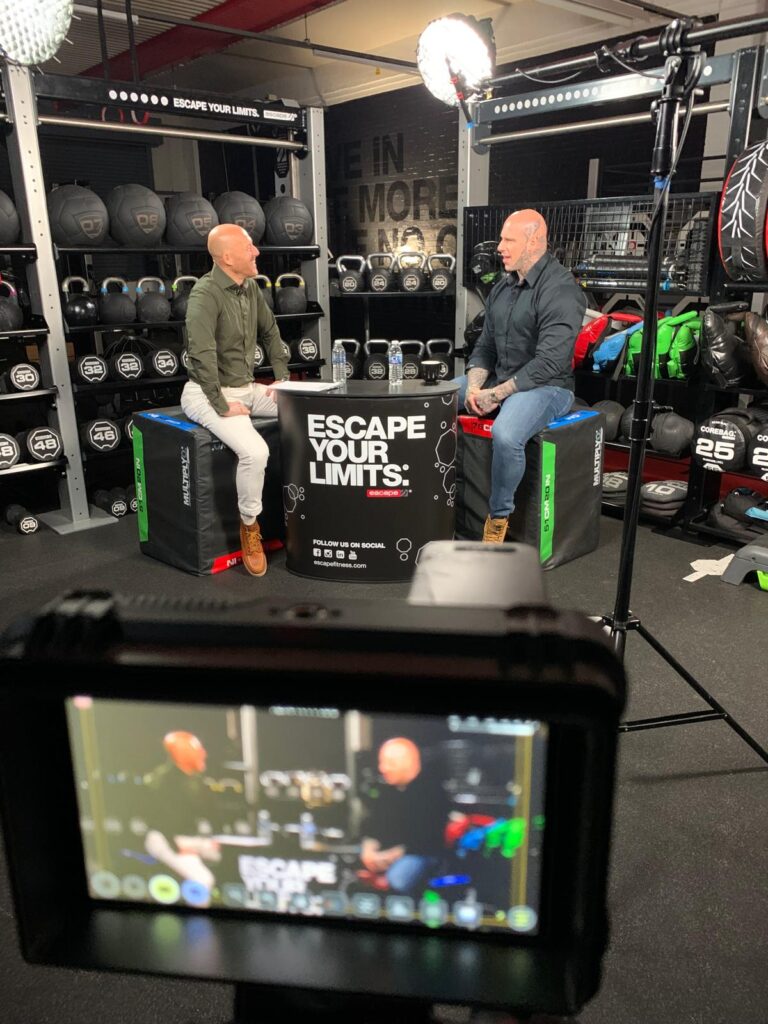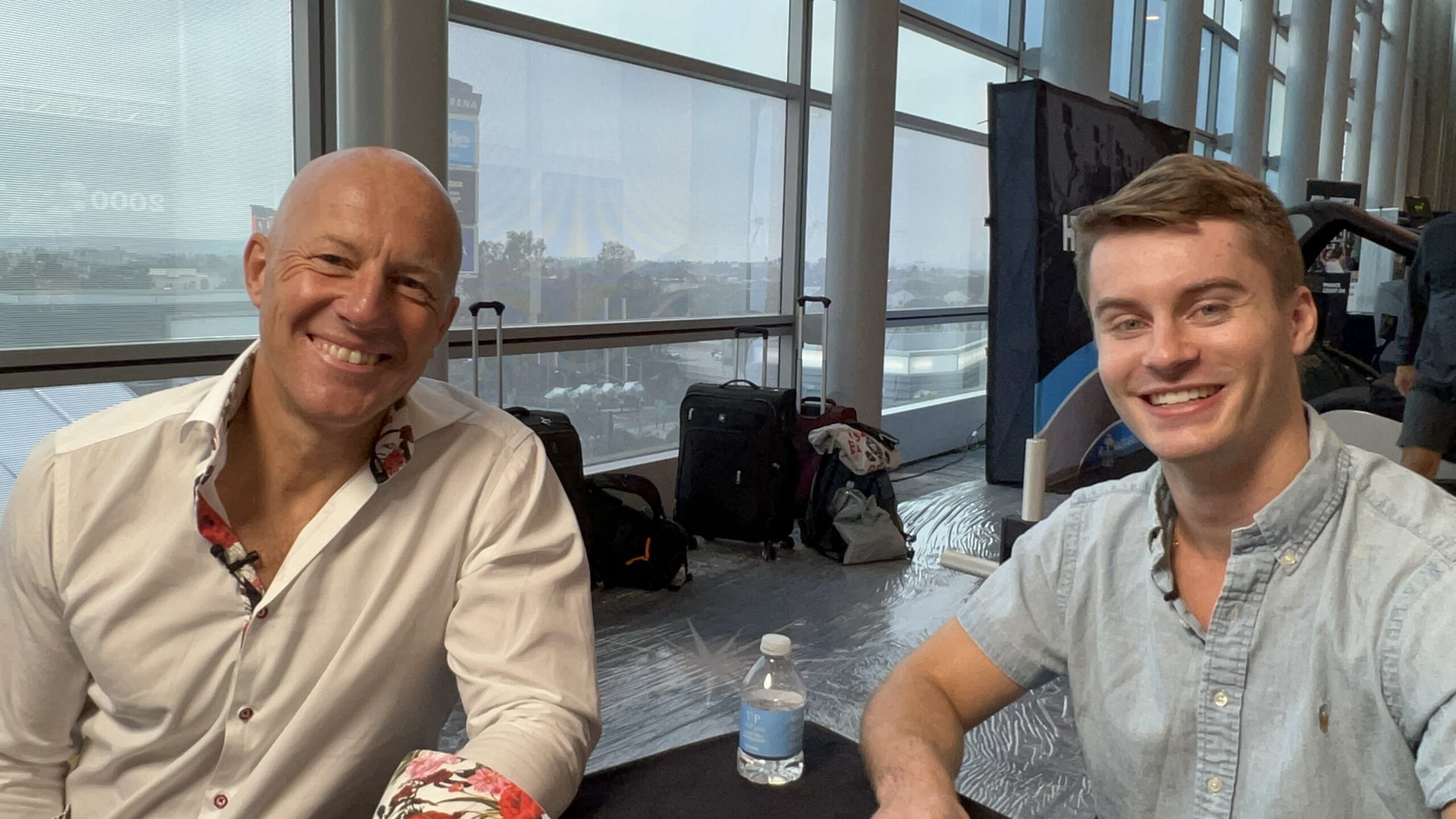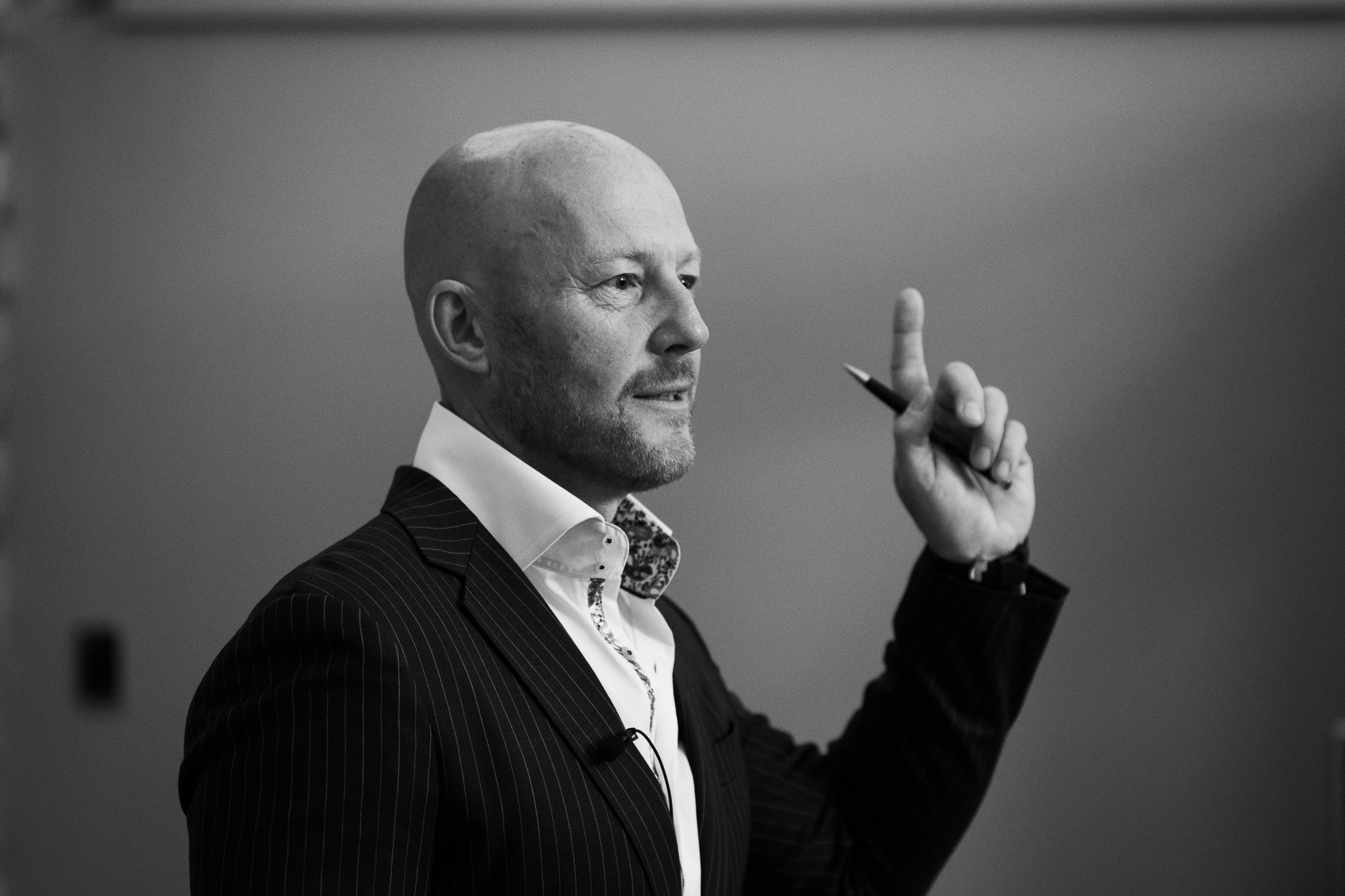
Here is a finding that challenges almost every assumption the fitness industry has made about aging: across thousands of Tonal members, 60-year-olds are in many cases matching — and sometimes outperforming — 30-year-olds in relative strength gains. Matthew Januszek and Mohammed Iqbal bring Troy Taylor onto the LIFTS Podcast to understand what the data actually shows and why the explanation is both surprising and practically important for every operator in the industry.
The answer, Troy explains, is not about biology defying the clock. It is about consistency, progressive overload, and training with clear intent — and what that means for how gyms should be measuring and communicating success to every member they serve, regardless of age.
What This Episode Covers
Troy Taylor leads performance at Tonal, the connected strength platform that has accumulated one of the most significant datasets in the industry on how real people actually train — across age groups, fitness levels, and programming approaches. His work sits at the intersection of exercise science and data analysis, making him uniquely positioned to speak to what drives strength outcomes in practice rather than in laboratory conditions.
The data point that anchors this episode — older members outperforming younger ones in relative strength gains — emerges from Tonal's connected platform, which tracks progressive load, consistency, and session quality across its member base. Troy's interpretation of that finding forms the backbone of a conversation that covers muscle versus strength versus power, the specific risks of lower-body power decline as we age, and the case for minimal effective dose training in sessions of 20 to 35 minutes.
LIFTS — co-hosted by Matthew Januszek and Mo Iqbal of SweatWorks — regularly features guests whose data-driven perspectives cut through the opinion and trend-chasing that fills too much of the fitness conversation. Troy Taylor's appearance is a precise example of that editorial focus.
Key Moments from the Conversation
- Tonal's connected data shows that in many cases, 60-year-olds match or outperform 30-year-olds in relative strength gains — and the driver is not age, it is consistency and progressive overload applied with intent.
- Strength is shifting from an aesthetic pursuit to a longevity strategy, and the members who train with that orientation tend to sustain their progress over time in ways that appearance-motivated training does not.
- Troy distinguishes between muscle mass, strength, and power — and argues that lower-body power may be the most important metric for healthspan, because it is also the first to decline significantly with age.
- Minimal effective dose training — focused sessions of roughly 20 to 35 minutes — can drive meaningful and measurable strength progress, with significant implications for how gyms design programming for time-constrained members.
- Eccentric overload and other advanced training methods have genuine value but are not prerequisites for strong outcomes — the fundamentals of consistency and progressive load remain the primary drivers.
- For operators, the business case is clear: members who track strength progress and see measurable outcomes stay longer. Shifting from visit-count to outcome-tracking is a retention strategy, not just a philosophical upgrade.
- As strength becomes foundational to preventative health infrastructure, the gyms and platforms that can quantify and communicate member progress will have a structural competitive advantage over those that cannot.
Why This Conversation Matters
Matthew Januszek has spent his career designing and building environments where people get stronger — and the Troy Taylor conversation lands in the middle of a broader LIFTS narrative about what strength actually means in a longevity-first world. For Escape Fitness USA, the commercial implication is direct: equipment that enables measurable progressive overload is not a premium offering, it is the core product.
Troy's data also reinforces one of the most important messages LIFTS has been amplifying: the fitness industry's future is not in attracting 25-year-olds chasing aesthetics. It is in serving the growing segment of adults who want to be strong, capable, and healthy at 60, 70, and beyond — and who will pay for a facility and a program that can demonstrably help them get there.
▶ Watch the full episode on YouTube
Related Episodes & Interviews
About Matthew Januszek
Matthew Januszek is the co-founder of Escape Fitness, the functional-training equipment brand he built from a UK startup into a global name supplying many of the world’s leading gyms, studios, and hotel fitness spaces. Following the separation of the UK and US businesses, Matthew’s focus today is Escape Fitness USA and the next chapter of the brand in North America. He hosted more than 300 episodes of the Escape Your Limits podcast and now co-hosts the LIFTS Podcast with SweatWorks founder Mohammed Iqbal, covering the business, science, and technology shaping the fitness industry. Explore more interviews and episodes on MatthewJanuszek.com.