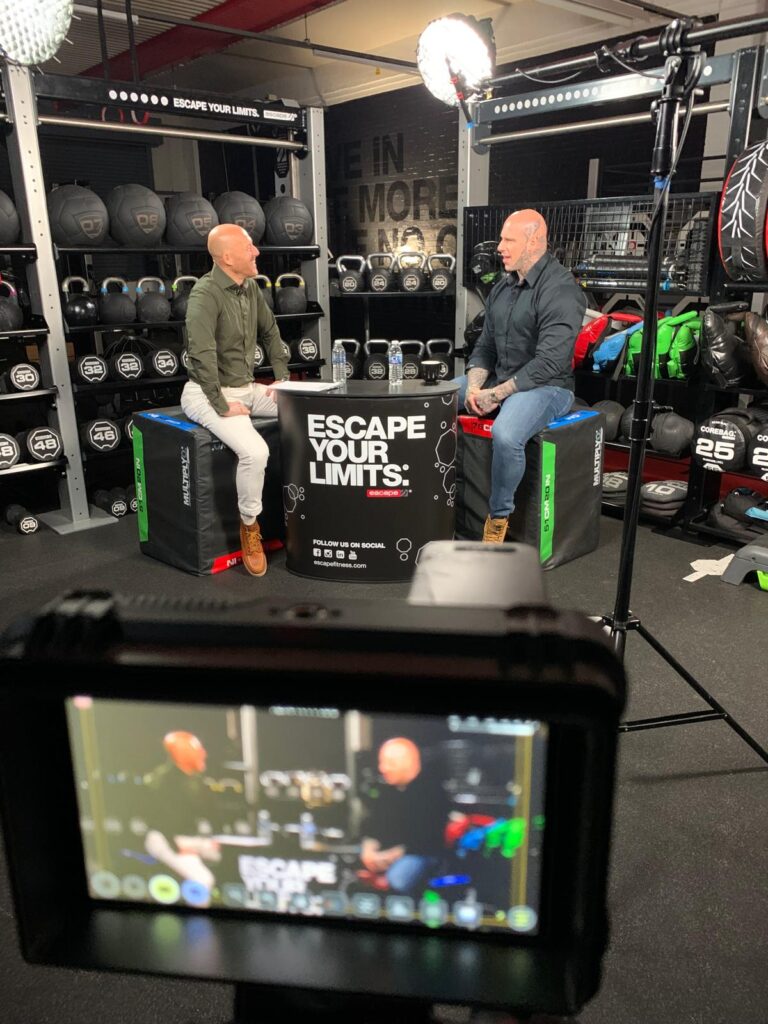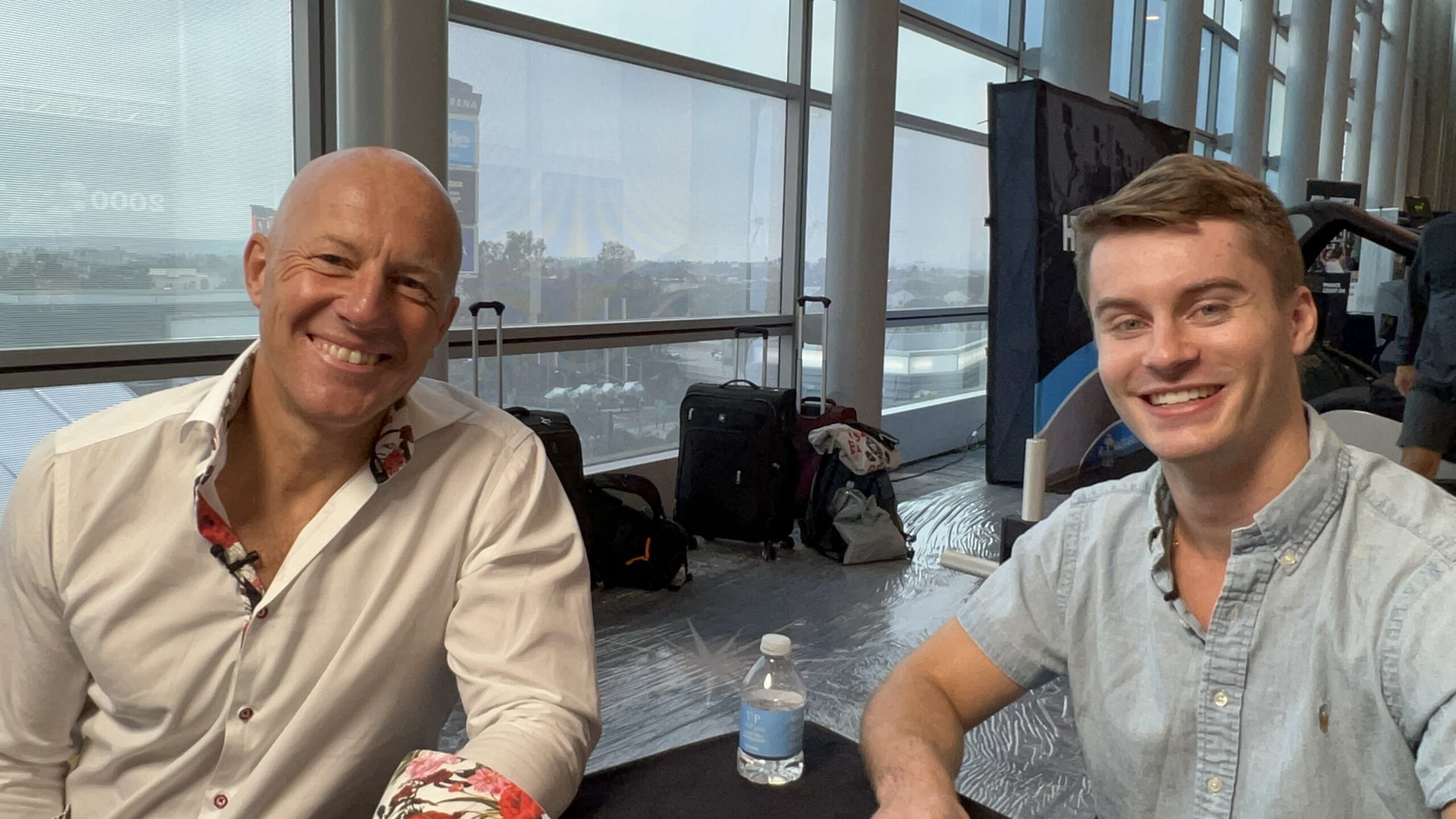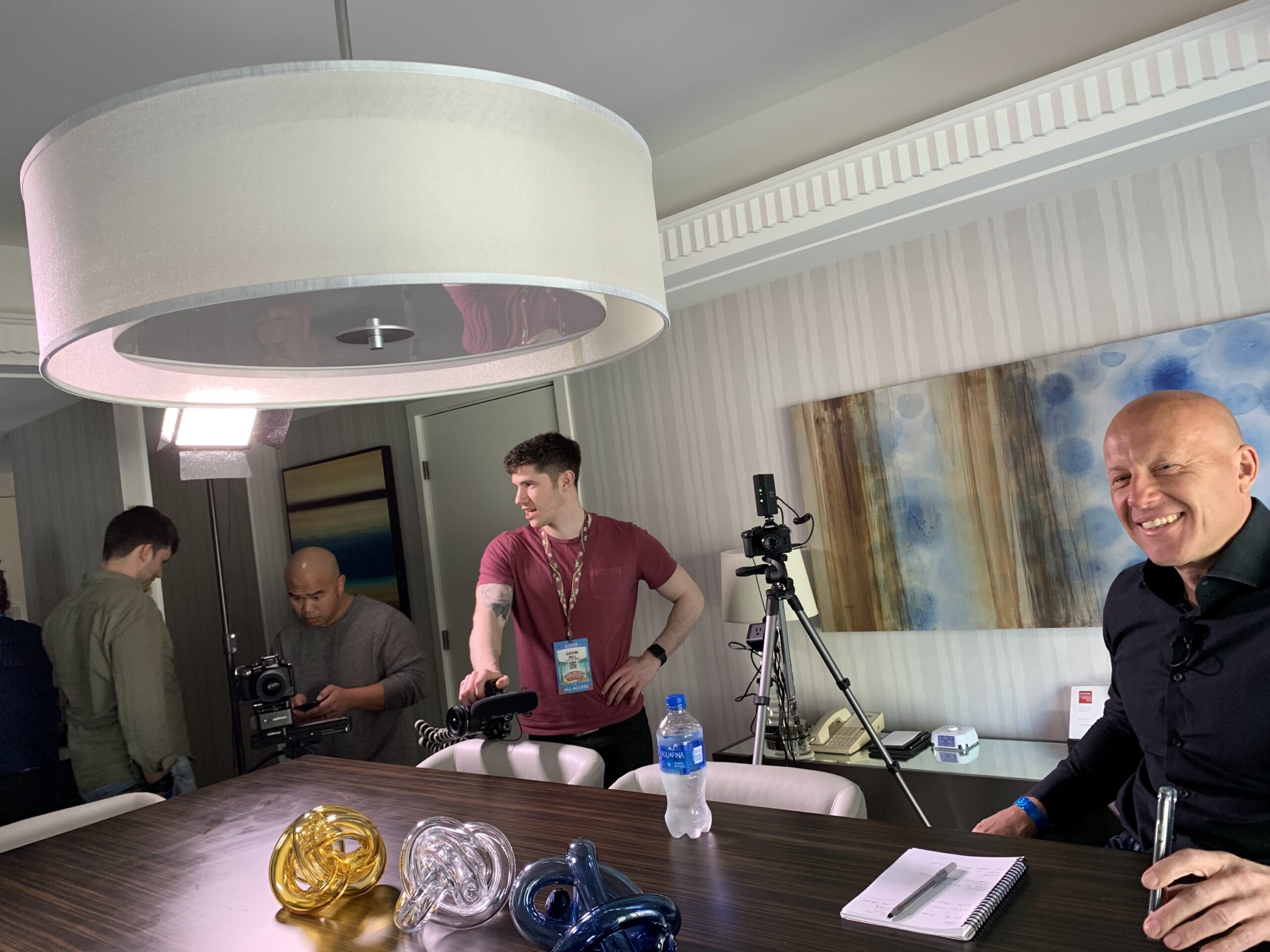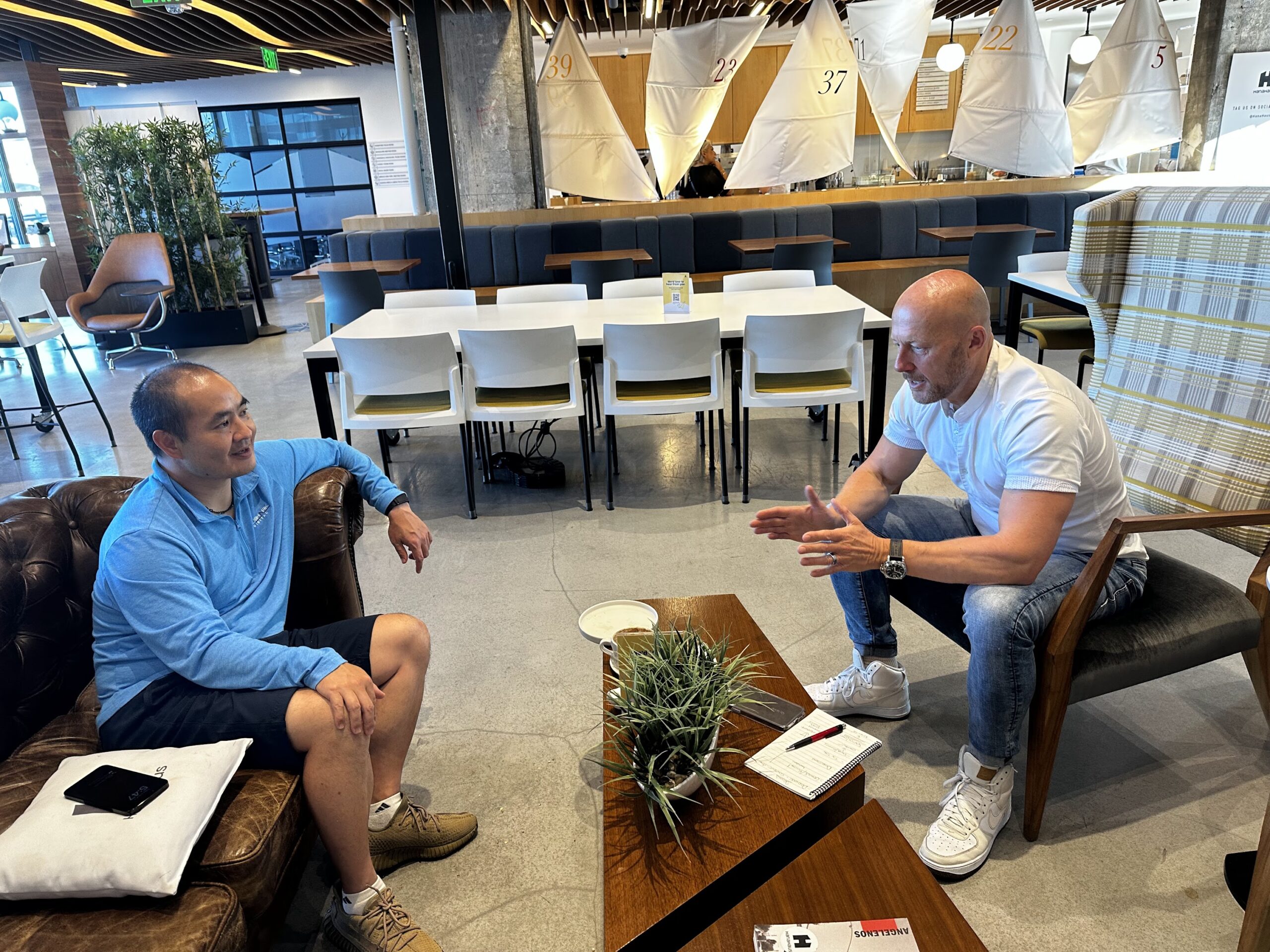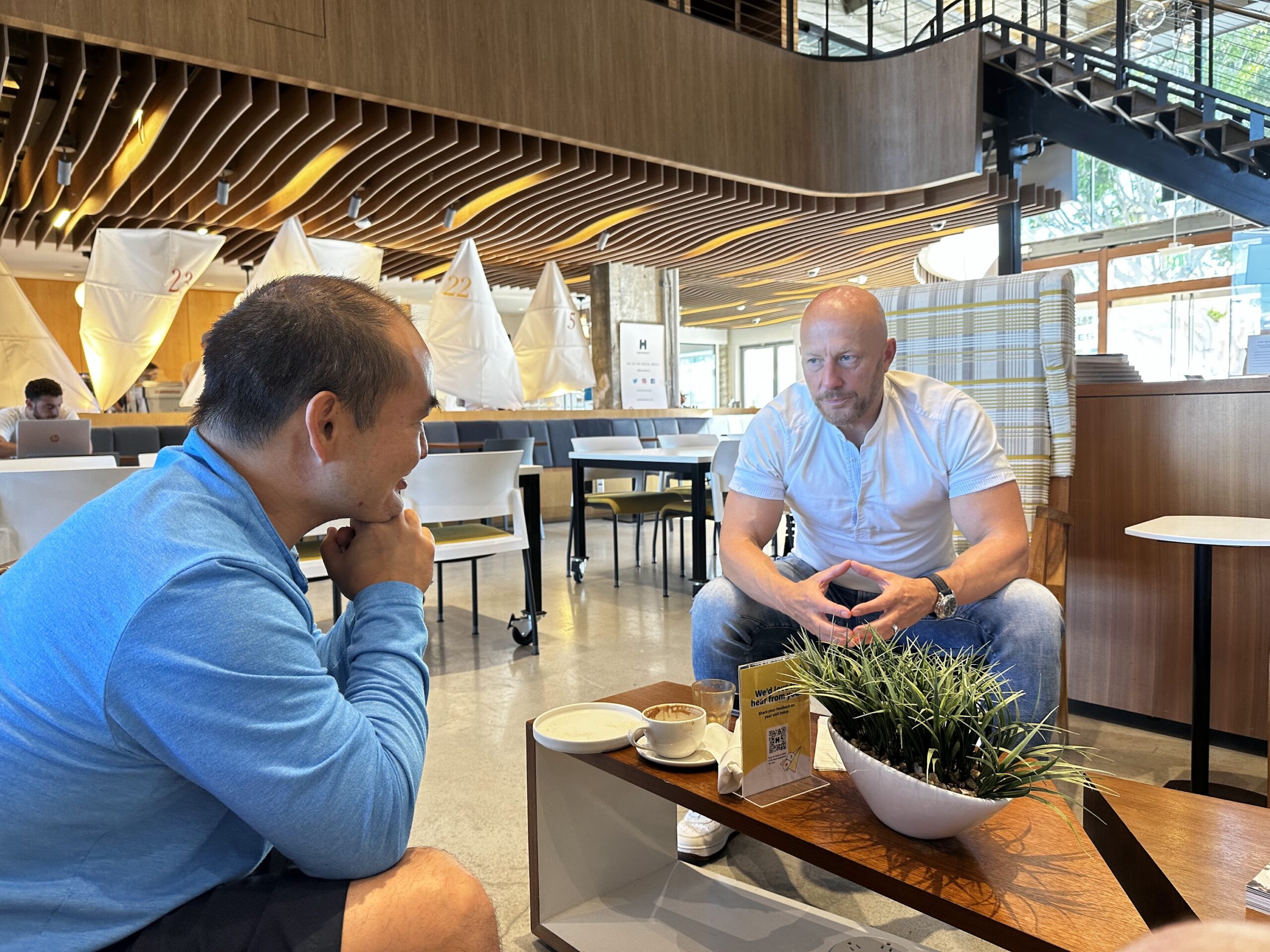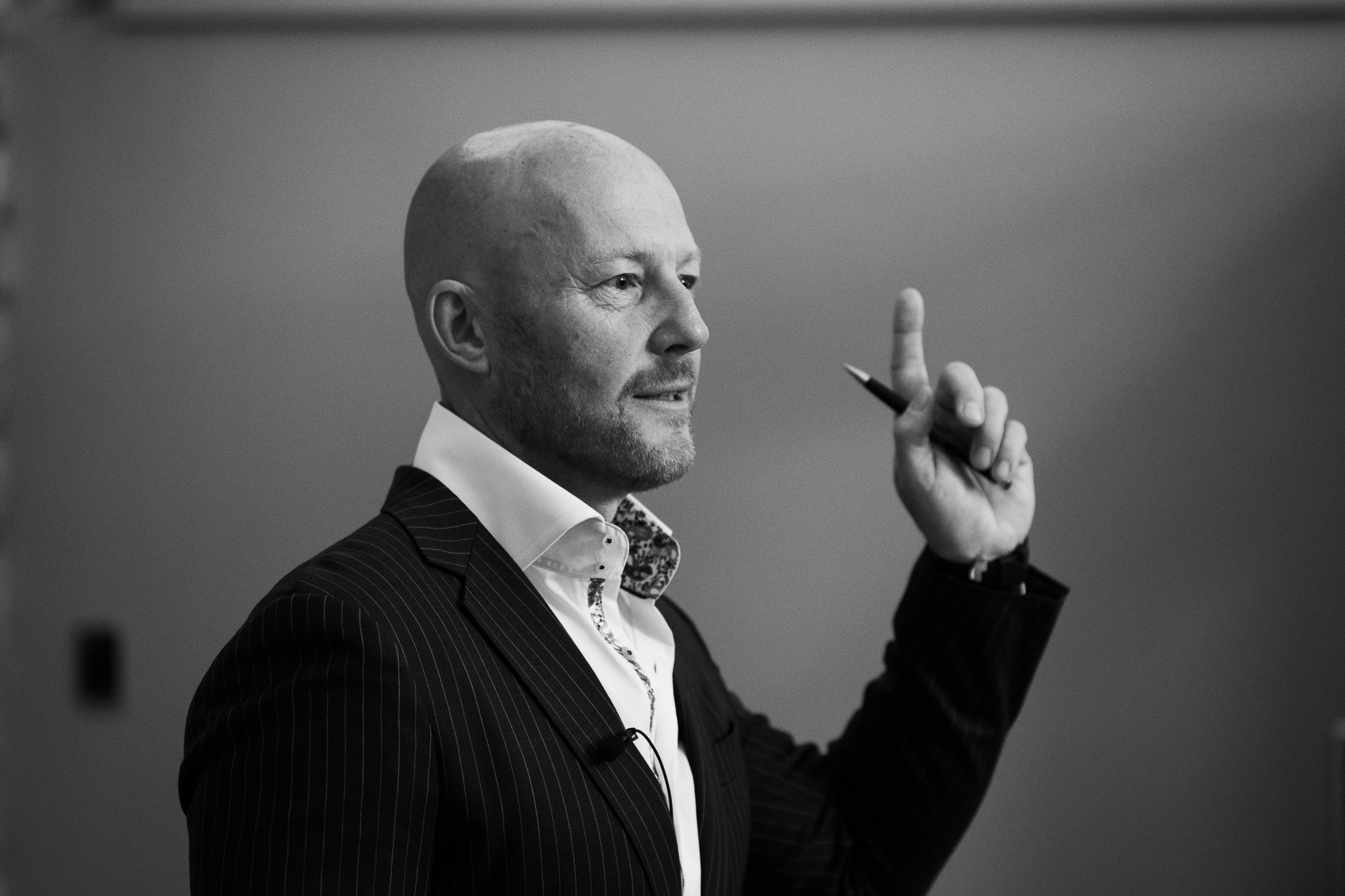
Twenty-five years in the fitness industry is an education that no MBA can replicate — and Carl Daikeler, CEO of The Beachbody Company, has lived every chapter of it. From the VHS era to digital streaming, from multi-level distribution to direct-to-consumer, Beachbody has navigated more category shifts than almost any other brand in the space. At the Connected Health & Fitness Summit in Los Angeles, Matthew Januszek and Mo Iqbal sat down with Daikeler to trace that entire arc.
Recorded as part of the LIFTS podcast — Matthew and Mo's weekly show covering the latest fitness industry trends and stories — this conversation gets into the mechanics of building results-driven programs, developing 'Super Trainers,' engaging different generations of consumers, and what it actually looks like to reinvent a business model without losing the core of what made it work.
About Carl Daikeler
Carl Daikeler co-founded Beachbody in 1998 with a simple premise: create fitness programs that actually get people results. The company built its early reputation on structured 90-day programs sold through infomercials — P90X and Insanity became household names that defined home fitness for a generation. The Super Trainer model Daikeler developed gave the brand a stable of credible, personality-driven coaches who could carry programs and build loyal followings.
The transition from physical media to digital subscriptions was one of the most consequential pivots in Beachbody's history, and Daikeler navigated it without dismantling what had made the company successful. The BODi streaming platform extended the brand's reach while adapting to a consumer who now expected on-demand access to content rather than a DVD in the mail.
More recently, Beachbody shifted away from its multi-level marketing distribution model toward direct-to-consumer sales — a move that reflected changing expectations around how brands should engage customers and build community. Across every era, Daikeler's focus has remained consistent: disrupt lifestyle inertia and give people the tools they need to actually follow through on their health goals.
What Carl Daikeler and Matthew Januszek Talked About
- Beachbody's founding was built on results — Daikeler explains that designing programs with measurable, real-world outcomes was the non-negotiable premise from day one, and it has remained the company's north star through every evolution.
- The transition from VHS and DVD to digital subscriptions required more than a technical upgrade; it demanded a rethinking of how value was delivered to customers who now had infinite alternatives at their fingertips.
- The Super Trainer model gave Beachbody a competitive advantage that was difficult to replicate — developing coaches with both fitness credibility and the personality to carry 90-day programs created a flywheel of loyalty and content production.
- Disrupting lifestyle priorities is at the heart of what effective fitness programs do; Daikeler describes how the best programs create a structural change in how people organize their time and energy, not just their workout schedule.
- The digital subscription model came with its own challenges — Daikeler is candid about the difficulties of maintaining retention and engagement in a model where consumers can cancel at any time.
- Adapting to changing demographics requires ongoing investment in understanding who the consumer is today, not who they were when the company first found product-market fit.
- The shift from multi-level marketing to direct-to-consumer reflected a broader industry and cultural shift — one that Daikeler addressed proactively rather than waiting for market pressure to force the decision.
- Engaging different generations means speaking different languages about health and fitness motivation — and Beachbody's longevity is partly a function of its willingness to keep learning what each cohort actually wants.
Why This Conversation Matters
Beachbody's story is one of the most instructive in the fitness industry precisely because it has survived long enough to be wrong, adapt, and be right again. The decisions Daikeler walks through — on distribution, digital transformation, program design, and generational engagement — are not hypothetical; they are hard choices made under real competitive and financial pressure.
For Matthew Januszek, who has built equipment brands and now works on the North American strategy for Escape Fitness USA, and for Mo Iqbal of SweatWorks, the LIFTS Podcast conversation with Daikeler sits at the exact intersection they care about most: how serious fitness businesses survive category disruption and keep earning the trust of consumers who have more options than ever before.
▶ Watch the full episode on YouTube
Related Episodes & Interviews
About Matthew Januszek
Matthew Januszek is the co-founder of Escape Fitness, the functional-training equipment brand he built from a UK startup into a global name supplying many of the world’s leading gyms, studios, and hotel fitness spaces. Following the separation of the UK and US businesses, Matthew’s focus today is Escape Fitness USA and the next chapter of the brand in North America. He hosted more than 300 episodes of the Escape Your Limits podcast and now co-hosts the LIFTS Podcast with SweatWorks founder Mohammed Iqbal, covering the business, science, and technology shaping the fitness industry. Explore more interviews and episodes on MatthewJanuszek.com.