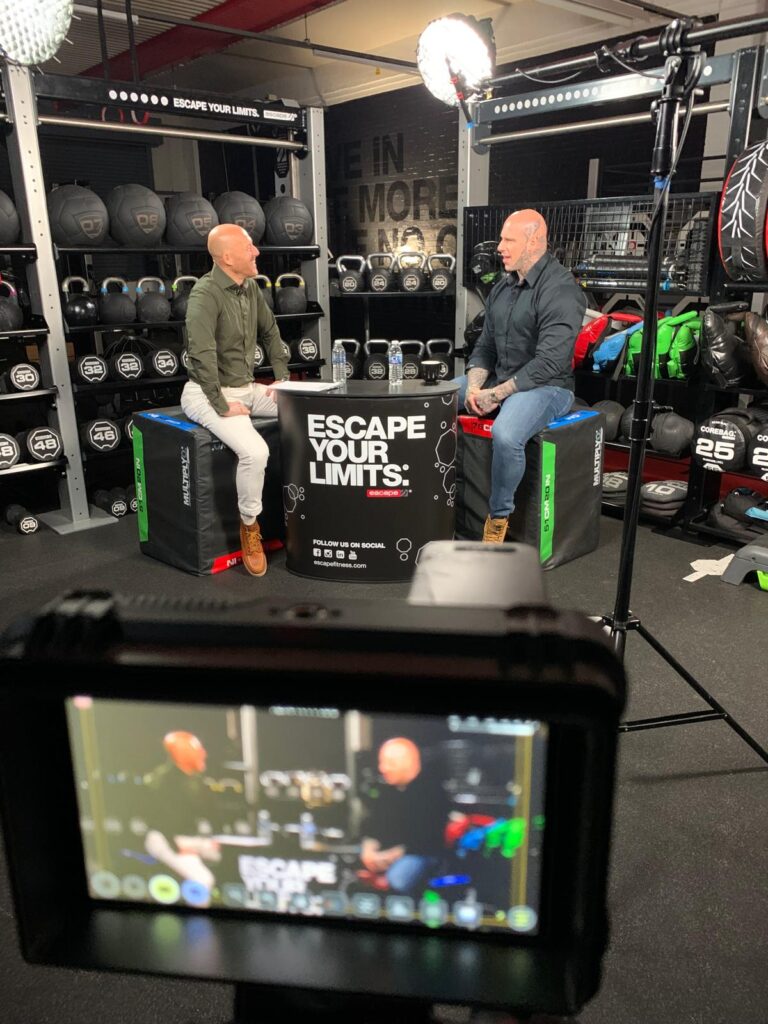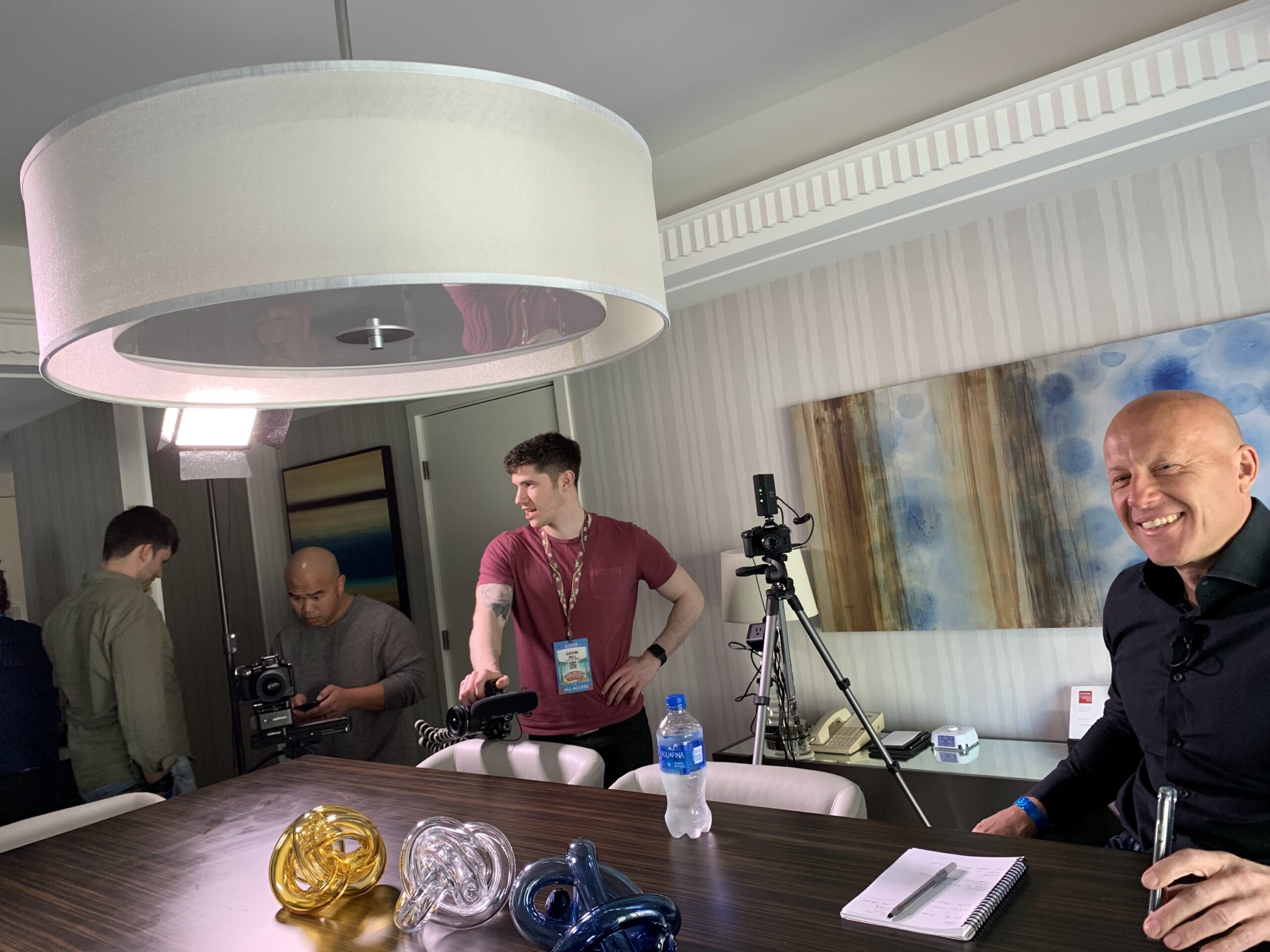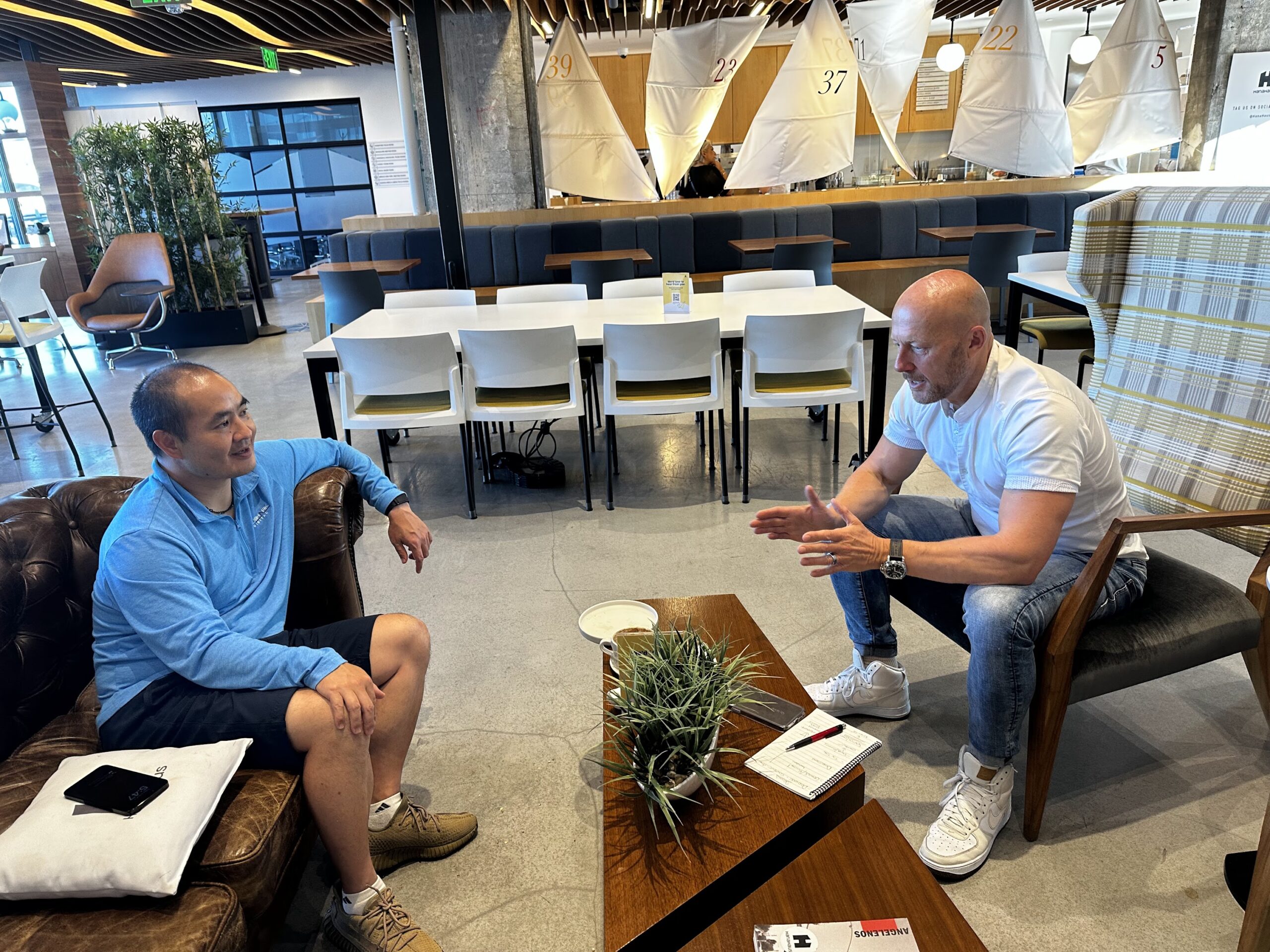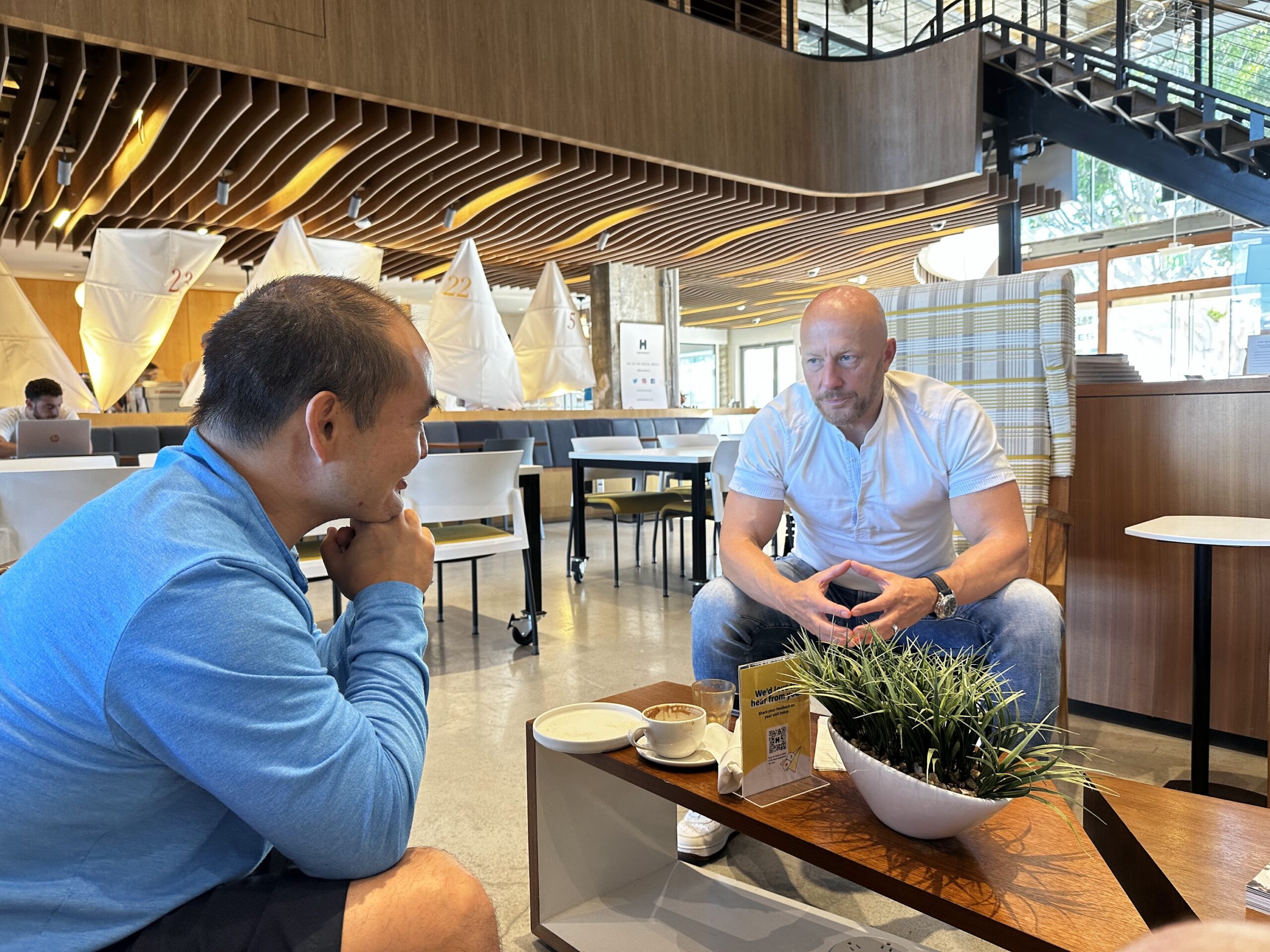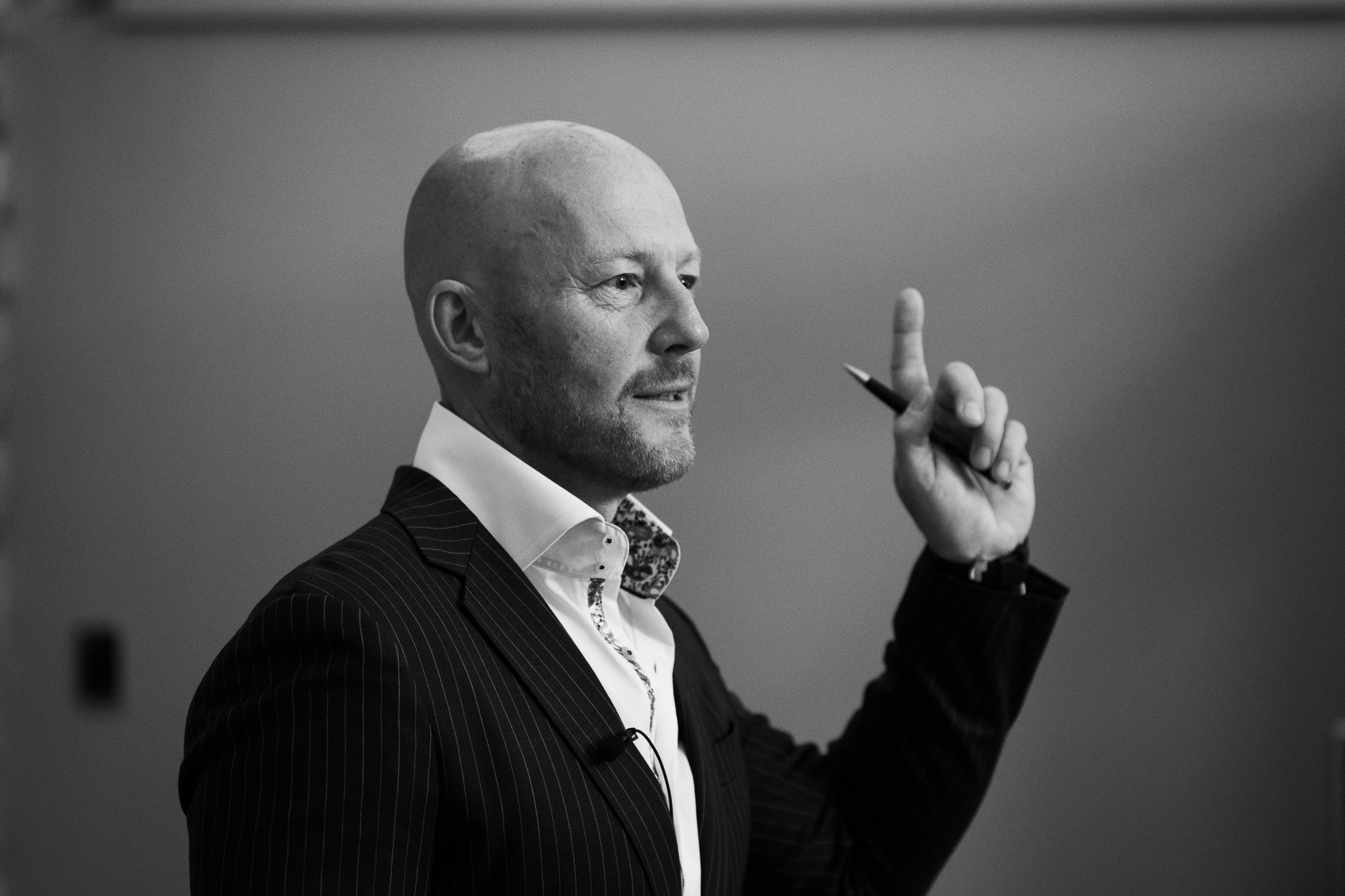
To make an episode of the Escape Your Limits podcast with David Weck, Matthew Januszek traveled to Weck's WeckMethod Lab in San Diego — and the setting was deliberate. Weck is not the kind of thinker whose ideas translate easily to a studio conversation; they need to be demonstrated, felt, and experienced in the room where he has spent more than twenty years developing them. The founder and CEO of BOSU Fitness is a biomechanist whose work centers on human movement and locomotion, with a particular focus on how the feet, rotational mechanics, and the body's coiling abilities interact to determine athletic potential.
What Matthew and David explore in this episode is, in the most literal sense, foundational: what balance actually is, why it is the one athletic quality that enhances every other quality in training, and why Weck believes the fitness industry has been systematically pushing methods that limit the very capacities they claim to develop. This is a conversation about the mechanics of movement, the art of surviving opposition, and the challenge of spreading a genuinely new idea through an industry that has strong financial and cultural incentives to resist it.
About David Weck
David Weck is the CEO and founder of BOSU Fitness, the company behind one of the most recognizable and widely adopted pieces of balance training equipment in the global fitness market. But his ambitions have always extended well beyond the BOSU ball itself. With more than twenty years of expertise in biomechanics and human movement, Weck has developed the WeckMethod — a comprehensive framework for training the rotational, pulsing, and coiling abilities that he argues are essential to true athletic performance and that conventional training systematically ignores.
His research focuses on how humans evolved to be upright and bipedal, the critical role of the feet in unlocking locomotive performance, and the distinction between balance and coordination — a distinction he regards as fundamental and widely misunderstood. The WeckMethod Lab in San Diego serves as his research and demonstration facility, where he works with athletes and coaches on applying these principles to training in ways that produce what he describes as an exponential difference in performance outcomes compared to conventional approaches.
Weck is candid about the resistance his ideas have encountered from the mainstream fitness industry, which he sees as structurally invested in methods and movements that are demonstrably overused and, in his view, athletically disadvantageous. His willingness to name that resistance — and to continue building the evidence base for his approach in the face of it — reflects a commitment to his methodology that the episode's description captures in a phrase: the art of surviving in the face of opposition.
What David Weck and Matthew Januszek Talked About
- Weck's central argument is that balance is not merely one athletic quality among many but the foundational quality from which all other athletic capacities are expressed — and that most conventional training actually diminishes it by reinforcing stiffness over the coiling mechanics the body is designed to use.
- He draws a sharp distinction between being coiled and being braced, arguing that the exponential performance difference between these two states is one of the most important and most neglected concepts in modern fitness training.
- The episode covers the evolutionary basis for Weck's framework — specifically, how the human body's development as an upright, bipedal organism created a movement architecture that diverges significantly from the movement patterns most strength and conditioning programs are built around.
- Weck explains why the fitness community has been resistant to adopting the WeckMethod, framing that resistance as a structural and cultural problem rather than a scientific one — an industry that has built its programming around certain movements and equipment finds it costly to acknowledge their limitations.
- The conversation explores what Weck calls learning by inference — the most powerful form of learning, in his view — and how using numbers and concrete frameworks can create a reality that athletes and coaches can actually apply rather than simply theorize about.
- He shares the origin story of what he describes as the world's first true deadlift, a claim that reflects the depth of his rethinking of movements the fitness industry has long treated as settled.
- Throughout the episode, Weck reflects on what he has learned from more than two decades of working to spread ideas that challenge industry norms — including the resilience required to continue building evidence and making the case when the reception has been skeptical.
- The conversation closes with Weck's articulation of the legacy he wants to leave: a fitness industry that understands and trains the full locomotive and rotational capacities of the human body, not just the fraction that conventional methods address.
Why This Conversation Matters
Matthew Januszek has spent his career arguing that the fitness industry deserves better equipment and better thinking — that gyms should be designed around how human bodies actually want to move, not around what is easiest to manufacture and sell. The conversation with David Weck is a natural extension of that argument, applied to movement science. When Weck describes an industry pushing back against methods that the evidence supports, Matthew is hearing a version of a challenge he knows well.
Escape Fitness USA exists, in part, because of the conviction that the fitness business responds to people willing to make the unpopular case. This episode is a portrait of what that looks like from inside the lab — the patience, the evidence, and the willingness to keep building even when the industry is not yet ready to listen.
▶ Watch the full episode on YouTube
Related Episodes & Interviews
About Matthew Januszek
Matthew Januszek is the co-founder of Escape Fitness, the functional-training equipment brand he built from a UK startup into a global name supplying many of the world’s leading gyms, studios, and hotel fitness spaces. Following the separation of the UK and US businesses, Matthew’s focus today is Escape Fitness USA and the next chapter of the brand in North America. He hosted more than 300 episodes of the Escape Your Limits podcast and now co-hosts the LIFTS Podcast with SweatWorks founder Mohammed Iqbal, covering the business, science, and technology shaping the fitness industry. Explore more interviews and episodes on MatthewJanuszek.com.